I'm going to say something that doesn't win me many friends in procurement: choosing materials by unit price is one of the most expensive mistakes a manufacturer can make. I know because I made it. A single order cost us just under $9,800 in rework and delays.
For the past six years, I've managed polymer sourcing for a building components company in the UAE—a budget of roughly $180,000 a year for seals, gaskets, and specialty materials. I've tracked every invoice, compared dozens of vendor quotes, and built a cost tracking system that forces me to look at the full picture. But I wasn't always that disciplined.
When I first started in this role, I assumed the lowest quote per kilogram was the right call. That's the default in this industry. Vendors quote thermoplastic polyurethane, EPDM, PVC, silicone—and we compare $/kg, plug numbers into a spreadsheet, pick the cheapest, and move on. The vendor failure in March 2023 changed how I think about material selection completely: a rejected batch of triangular rubber strip for a curtain wall project that I do not want to see repeated.
Why the Cheapest TPU Quote Was the Most Expensive Option
The project needed about 2,000 meters of triangular rubber strip—the wedge-shaped gasket that seals the gap between window frames and the curtain wall structure. The specification called for high UV resistance, stable color, and a minimum 15-year service life in a climate that regularly hits 45°C.
Two quotes landed on my desk:
- Thermoplastic polyurethane strip from an overseas budget vendor: $2.30 per kg
- Silicone strip from an authorized Dow Corning silicone supplier in the UAE: $7.20 per kg
TPU has genuine strengths, I'll give it that. Abrasion resistance is excellent. It handles oils and solvents better than most elastomers. And the price difference was not trivial. On material cost alone, the TPU quote looked like the obvious choice. Not great, not terrible. But in that spreadsheet, I was comparing the wrong column.
The question isn't what a gasket costs per kilogram. It's what a gasket costs per year of service.
TPU degrades under long-term UV exposure. In the Gulf sun, a TPU gasket loses flexibility within four to five years, gets brittle, and starts cracking. Silicone's polymer backbone is inherently stable against UV and oxidation; a silicone gasket in outdoor exposure can easily last 20 years. So here's the math:
TPU: 600 kg at $2.30 per kg is $1,380 in material. Divide that by a five-year service life—$276 per year.
Silicone: 600 kg at $7.20 per kg is $4,320. Divide by a 20-year service life—$216 per year.
Suddenly the “cheap” material costs more per year than the “expensive” one, before you even consider replacement labor. And replacing a triangular rubber strip isn't a one-hour job. It takes external access, careful removal of the old gasket, cleaning the frame, re-applying adhesive, installing the new strip, and inspection. On a modest commercial building, each replacement campaign runs $5,000–$8,000. Over 20 years, TPU needs three such campaigns. Silicone needs none. The material price barely moves the needle in that calculation; the replacement cycles do.
HDPE Colour Matching: A Lesson in Hidden Costs
The second lesson came from color. The window frames were HDPE extrusions in a custom grey. The gasket had to match. The design consultant required a color tolerance of Delta E below 2, the industry standard for brand-critical colors according to Pantone Color Matching System guidelines.
The TPU vendor said no problem. The first delivery had visible variation between rolls. In the factory, it didn't look terrible. On a facade in direct sunlight, the mismatch between adjacent gasket sections was obvious. The engineer rejected the entire batch.
What did that rejection cost? I logged every invoice in our cost tracking system:
- Rejected material: $1,380
- Expedited replacement order: $2,150
- Freight and handling: $820
- Site rework labor: $4,050
- Schedule delay and project management hours: $1,400
Total: $9,800. And none of those costs appeared on the original quote.
HDPE colour matching is a classic hidden-cost area. Consistent color across extruded parts requires controlled masterbatch dosing, UV stabilizers, and a supplier that tracks pigment lots. A serious material supplier catches these issues before production. This budget vendor didn't even ask what end-use the strip was for. I should have seen that as a red flag.
The Counterintuitive Part: The “Expensive” Supplier Saved Us Money
Here's what I didn't expect: the authorized Dow Corning silicone supplier in the UAE saved us more than the material price difference.
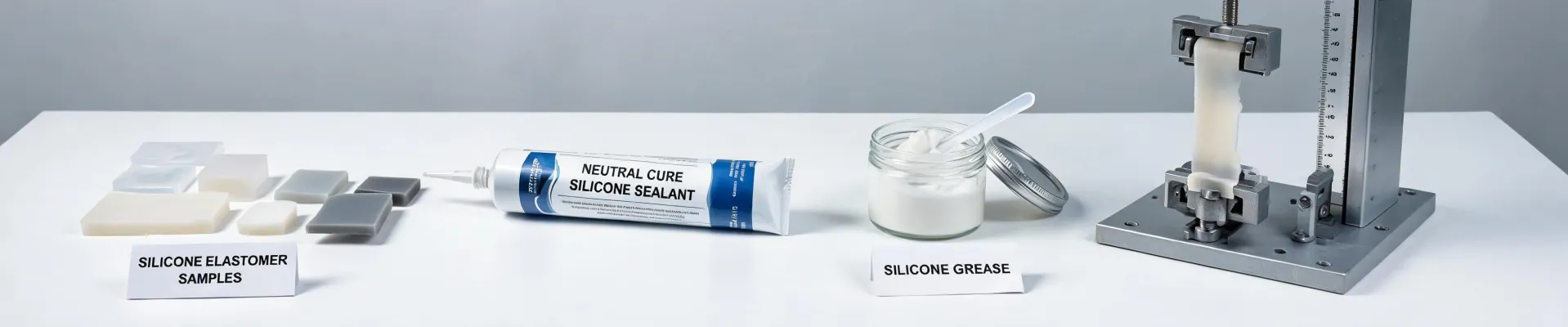
When we requested documentation for the building consultant's submittal, they sent test certificates, compliance data, and a recommended installation guide. Their application engineer flagged a thermal expansion mismatch between the HDPE frame and the silicone gasket before it became a site problem. They even recommended a Dow Corning silicone grease for installation, so the strip slid into the frame without tearing and the seal stayed flexible over years of movement. That support doesn't appear on a quote, but it has measurable financial value. It's the difference between a supplier moving material and a partner that helps you get the specification right.
I know the skeptical response: “Of course the premium supplier says technical support is valuable—they want the order.” Fair enough. But after comparing quotes from thirty-plus vendors over six years, the pattern is consistent. The lowest-priced vendor is usually the one that can't answer a technical question, doesn't provide test data, and treats post-sale issues as an opportunity to upsell.
But Silicone Is Three Times the Price. Isn't It Too Expensive?
Yes, silicone costs more on a per-kilogram basis. I'm not going to pretend otherwise.
But consider the broader system cost. On another project, a competing TPU seal failed after just two years. The seal itself was a $400 cost. The moisture ingress, stained interior wall, and rework came to $1,200. That's a $400 decision with a $1,600 total consequence. Penny-wise and pound-foolish is one of the most expensive habits in this industry.
I also hear the recyclability argument. TPU is thermoplastic, so in theory it can be recycled; silicone is a thermoset and harder to recycle. That's a fair point, and silicone manufacturers are actively working on recycling processes. But for a 20-year building envelope application, the material that lasts two decades wins on waste and carbon footprint, even if it's not technically recyclable. A “recyclable” material that needs three replacements produces more waste, not less.
And one more honest confession: I knew I should have required climate chamber samples before approving mass production. But I thought, “what are the odds? It's a standard strip.” The odds caught up with me. I've never fully understood why procurement teams resist TCO thinking. My best guess is that a unit price is easier to defend in a management review—a clean, simple number. TCO requires estimates of service life, downtime, and hidden risks. It's messier. But messy estimates beat clean misconceptions.
What Changed in Our Procurement Policy
After that project, we implemented a few rules:
- Test samples under realistic conditions—UV, heat, humidity—before production release
- Minimum of three quotations, compared on TCO, not unit price
- Color tolerance validation (Delta E) before accepting any batch
- Technical review with the material supplier before finalizing specifications
I'm not saying thermoplastic polyurethane is a bad material. It's excellent for abrasive environments, oil-resistant parts, and indoor applications where UV exposure isn't a factor. But when I see TPU specified for an outdoor sealing application in the Gulf region, I suspect the TCO hasn't been calculated.
So here's my honest conclusion: the cheapest material is the one that lasts long enough to do its job—regardless of price per kilogram. Silicone is an up-front premium. In our TCO analysis, it came out cheaper over the life of the building. If you're comparing thermoplastic polyurethane vs silicone for your next project, start with the actual service conditions, not the quote. Calculate cost per year, not cost per kilogram. That's the number that matters.