-
Step 1: Describe the function before you type a product number
-
Step 2: Determine whether the order is for a fluid, a compound, or a cured elastomer
-
Step 3: Answer the real question: is nitrile rubber heat resistant?
-
Step 4: Include the container and surrounding plastic in the compatibility check
-
Step 5: Compare total cost, not unit price
-
Step 6: Record the product name, date code, and substitution reasoning
-
Last note: This checklist is the cheap insurance
I manage procurement for a 37-person company that maintains wet process tools and assembly machines for smaller manufacturers. Our annual MRO spend is about $180,000. It is not a Fortune 500 budget, so a wrong order hurts. Over the past nine years I have logged hundreds of purchase orders in our cost tracking system, and the expensive failures almost always share one cause: someone bought by label instead of by service condition.
This checklist is for anyone about to buy silicone fluids, silicone compounds, or o-rings by a brand name or by an old part number. It will not make you a chemist. It will help you ask the right questions before the bill gets bigger.
Step 1: Describe the function before you type a product number
If a work order says something like dow-corning with no product code, I treat that as incomplete. I do not look for the cheapest tube first. I look for what the material needs to do.
- What it contacts: air, water, oil, solvent, steam, UV, another plastic
- Lowest and highest temperature during service and during cleaning
- How often it is maintained or replaced
- If it must stay in place or move
It took me about four years and enough wrong shipments to make this non-negotiable. The extra question costs one minute. The wrong material costs a teardown.
Step 2: Determine whether the order is for a fluid, a compound, or a cured elastomer
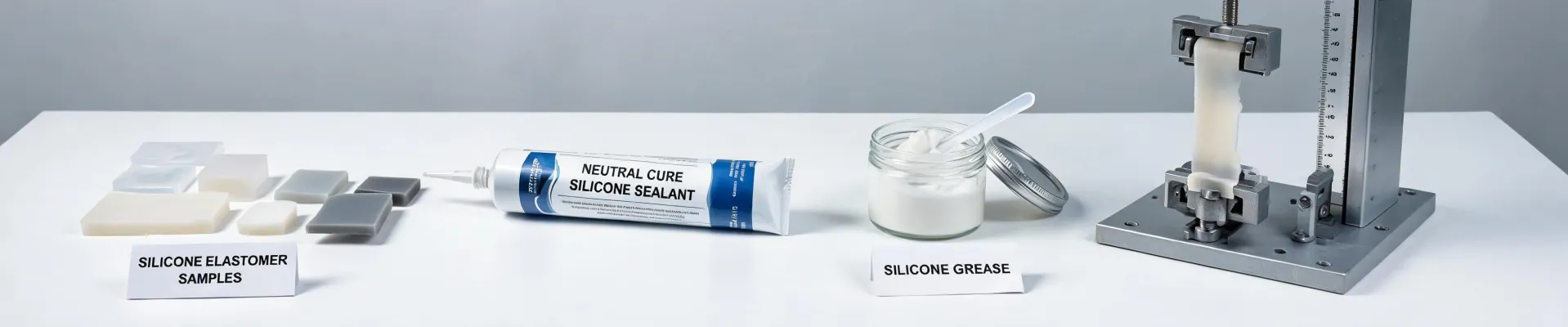
I use terms carefully now. Dow Corning silicone fluids is a category, not one product. Those fluids can be low viscosity, high viscosity, emulsions, or reactive fluids. If someone asks for a fluid to release molded rubber parts, I still need to know a viscosity target and whether the solvent system matters.
Dow Corning silicone compound is another phrase that can cause trouble. In some catalogs it is a paste used as a valve sealant or dielectric lubricant. In rubber processing, a compound is a mixed uncured silicone rubber ready for molding. Those are different products with different costs. If I order ‘compound’ for a mechanical seal but the user needs a molded rubber test sample, my purchase order is probably wrong.
My receiving rule now: if the label says paste but the request said rubber, stop before putting it into stock.
Step 3: Answer the real question: is nitrile rubber heat resistant?
When the material is an o-ring, the first thing I check is not price. It is temperature.
Is nitrile rubber heat resistant? The honest answer is yes, compared to natural rubber, and no, compared to FKM or silicone. Standard nitrile rubber, NBR, is often usable in continuous service around 100 to 120°C, depending on the compound and the fluid around it. In hot air, oxidation becomes a problem sooner. In hot oil, nitrile may behave differently, so the actual compound rating should be checked.
If the application reaches 150°C or 200°C, nitrile is usually the wrong material. At that point I look at silicone rubber for dry heat, or FKM for heat plus oil or chemical exposure. Silicone rubber can handle heat but has weaker mechanical strength and poor oil resistance. FKM is not a magical all-purpose material either, but it is often the safer choice when heat and chemical exposure show up together.
Why do I care about this? Because ‘heat resistant’ is context-dependent. A $9 nitrile o-ring is not a deal if it causes a $900 emergency repair.
When a replacement list includes semitool o-ring Viton, it tells me the original seal material is FKM. Viton is a brand name for one FKM family. I do not replace it with nitrile unless an engineer or someone responsible for the process writes a formal material change request. I made that downgrade once to save cost. I paid more when the seal failed in hot chemical service. The correct order is based on service condition, not on the fact that both o-rings are black and rubbery.
Step 4: Include the container and surrounding plastic in the compatibility check
When I buy Dow Corning silicone fluids in bulk, the fluid compatibility is only half the question. I also check what touches it after it leaves the manufacturer: drum, pump, hose, valve seals, or storage container.
Black HDPE is common in industrial containers. When I see HDPE black in a specification, I do not assume every black HDPE is the same material. Pigment type, density, and resin grade can differ. A product that is compatible with one HDPE black drum might not be suitable for long-term contact with another, especially if the system also sees heat or cyclic pressure. If a supplier says compatible, I ask which HDPE grade they tested and at what temperature.
This is not about overcomplicating the order. It is about avoiding a dark colored failure that could have been prevented by a five-minute question.
Step 5: Compare total cost, not unit price
Once the specification and compatibility are confirmed, I compare cost. But I compare total cost, not the number on the price tag.
I have seen silicone fluid quoted cheaper per gallon in a 55-gallon drum than in a 5-gallon pail. That looks smart until you realize the production line uses three gallons per year. The drum would sit for years, pick up moisture, and possibly expire before it was half empty. The pail was a higher unit price and a lower total cost.
The same logic applies to o-rings. A kit with fifty sizes can look like great value per piece. If you only need two sizes and the rest will sit until the rubber ages, the kit is not necessarily the best buy.
I also check shelf life and date codes. Receiving a product with five months of shelf life is not the same as receiving a product with twenty-four months of shelf life, even if the package looks identical.
Step 6: Record the product name, date code, and substitution reasoning
Our procurement system stores the part number and a short field called why we chose this. When an engineer asks for a dow-corning product again, or when someone questions whether we bought the right material before, I can search old purchase orders. Without that log, I can buy the same mistake twice.
When a product arrives, I check the date code before stocking it. Shelf life starts at manufacture, not at delivery. This matters for fluids, elastomers, and even a tube of dow corning silicone compound that might separate, cure, or skin over if stored too long.
One simple habit saves me more money than any coupon code: write down what the product replaced and why. Then the next person does not have to guess.
Last note: This checklist is the cheap insurance
The best procurement habit is not finding the lowest price first. It is confirming what exactly is being bought and why. This checklist is not a complete chemistry guide. When in doubt, ask the manufacturer or technical distributor for written compatibility data.
Five minutes of verification beats five days of correction. Whether I am sourcing Dow Corning silicone fluids, a Semitool o-ring Viton replacement, or trying to decide if nitrile rubber is heat resistant enough, the first step is always the same: describe the job before you compare prices.