When I took over purchasing in 2020, I figured I had the basics down. O-rings are O-rings. Casters are casters. Grease is grease. You compare three quotes, pick the middle one, and the maintenance team stops bothering you for a while. My real job was keeping the facility running without the ops manager calling me a hero or, more likely, a fool.
That confidence lasted about six months.
It was a Tuesday in March. The packaging line stopped because a pneumatic cylinder wouldn't hold pressure. The maintenance tech found it in fifteen minutes: an O-ring had split clean through. He looked at the part number on the work order, shook his head, and said, "Did someone swap the standard FKM part for a generic NBR?"
I'd approved that substitution a week earlier. It seemed harmless—same dimensions, way better price. But I hadn't checked the material. And nobody told me the application ran hot enough to cook a nitrile ring until it cracked.
I only believed material specs matter after that failure. That's the embarrassing part. Not the tech's advice, not the manufacturer's warning, not the note on the datasheet—it took a split O-ring and a stalled production line to make me actually care.
The classic beginner mistake: assuming "standard" means the same thing everywhere
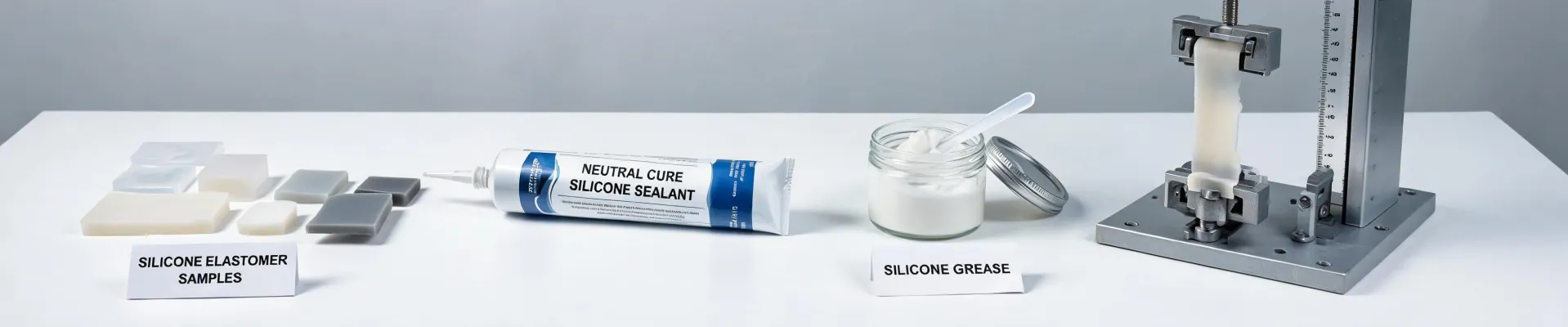
In my first year, I made the classic specification error: assumed "standard" meant the same thing to every vendor. It doesn't. There's a whole classification system behind it—ASTM D1418 organizes rubber into chemical families like NBR, EPDM, FKM, silicone (MQ/VMQ), and polyurethane. Each one reacts differently to heat, oil, ozone, and wear.
For O-ring rubber, the chemistry matters far more than the shape. A nitrile ring is great for general petroleum contact and low heat. Put it on a compressor manifold that runs hot with oil mist? It hardens, shrinks, and splits. What made it "standard" to a cheap vendor was the size and the price quote—not the grade.
But I didn't know that then. Honestly, I was the person who compared invoices and lead times, not elastomer compatibility tables.
The $4,000 wake-up (a.k.a. the penny-wise trap)
So here's what stings.
After the O-ring incident, I pulled the prior year's purchasing history and counted every failed rubber-adjacent purchase. Replacement seals, casters, grease cartridges, gaskets—each one a "cheap" decision that eventually needed rework. Total: about $4,000 in avoidable replacement costs. That's not counting the downtime, which finance hates even more.
One specific case still makes me cringe. We'd been using a generic lithium grease on the loading-bay door seals. Saved roughly $60 per order versus the moly-based compound the door installer recommended. Then the seals hardened and cracked over winter. The re-seal job cost $950 in labor and materials, plus two weeks of doors that didn't close properly because the repair kit was backordered.
Saved $60. Spent $950. Net loss: $890, plus the glare I got from the VP.
That was my crash course in total cost of ownership.
What I started doing differently
I didn't turn into a chemist. But I did start asking better questions. And I started leaning on suppliers who publish real specs instead of just underbidding.
1. Dow Corning 111 silicone grease for seals and assemblies
Our maintenance lead has been doing this for twenty years. He recommended Dow Corning 111 silicone grease for rubber gaskets, pneumatic seals, and the kind of automotive-style equipment we run in the facility. It's a high-viscosity silicone grease that stays put, resists water washout, and doesn't attack most rubber and plastic components.
When I first looked up dow corning silicone automotive products, I realized how much I'd been missing. It's not just grease—there are silicone compounds for electronics, wiring, hoses, and exposed connectors. The 111 grease became our baseline for anything with a rubber seal that moved or flexed. The datasheet is public, the temperature range is listed, and compatibility is documented. I don't have to guess.
2. Pourable polyurethane rubber for custom parts
We have a custom-built pressing fixture that needed a crush pad. Nobody stocks that exact part. A machined piece from the OEM would've taken three weeks and cost four figures.
The local supplier suggested pourable polyurethane rubber—a two-part liquid that cures into a solid with a chosen hardness. We mixed it, poured it into a small frame, and pulled the pad out the next morning. Total cost: about $180 in materials. It outlasted the original by months.
That's when I realized the industry has evolved. Materials that used to require a factory setup are now pour-in-place basics you can use in a maintenance shop.
3. Rubber vs polyurethane casters—it's an application decision
We also had a chronic caster problem. The heavy shop dollies were eating rubber wheels every few months. A contractor suggested we try polyurethane.
I asked the dumb question everyone asks: "Are polyurethane casters better?" Turns out "better" isn't the right word. Polyurethane wheels roll easier, resist tearing, and handle heavy loads and rough floors much better than rubber. But they're harder, so they transmit more vibration. For fragile loads or polished floors, a soft rubber caster is still the right call.
We switched the shop-floor transport dollies to polyurethane and left rubber on the precision carts. Caster replacement dropped by half.
So, rubber vs polyurethane casters? It's not a knockout fight. It's a matching game.
The bigger lesson: most of what I knew was outdated
Here's the part I want other buyers to hear.
Five years ago, "best practice" in purchasing was price-per-piece plus a basic lead-time check. That's not enough anymore. Materials like pourable polyurethane rubber and advanced silicone formulations are no longer exotic—they're standard options with publicly available datasheets, temperature ranges, and compatibility tables. You can make intelligent choices without being a materials engineer. But you have to look for the information instead of just clicking the cheapest option.
The fundamentals haven't changed. You still need to know what the part does, how hot it runs, what it contacts, and how long it needs to last. But the execution has changed. Suppliers like Dow Corning put technical documentation online, so you can verify compatibility before you order—not after it fails.
What I'd tell another admin buyer
You do not need to become an expert in elastomers. But you do need to stop treating rubber, silicone, and polyurethane as interchangeable. They're not.
Here's the checklist I use now, after five years of managing orders for 400 employees across three locations:
- Ask for the application environment. Temperature, oil exposure, movement, load. One sentence from the requesting team saves hours of returns and repairs.
- Check the datasheet's material family. If it says NBR and the application is hot or oily, don't click buy.
- Don't substitute without sign-off. Same dimensions don't mean the same material. Document the change and get approval from whoever owns the asset.
- Test before bulk ordering. Buy a small quantity, run it for a month, then commit to the annual supply. This has prevented two expensive disasters already.
- Track total cost, not purchase price. The $60 grease saved us nothing. It actually cost us roughly $890. The number was negative.
Bottom line: the industrial materials landscape has evolved. Old assumptions about "rubber being rubber" don't hold up. And for anyone sitting where I was in 2020—comparing quotes and thinking that was the whole job—take it from someone who learned the expensive way.
The spec sheet is part of the job. Verify it. Or, you know, buy another $4,000 worth of lessons.