-
1. Name the silicone family before you ask for a quote
-
2. Verify the cure system before you trust the hardness number
-
3. Talk about durometer after you solve cure compatibility
-
4. Separate 'feels smooth' from 'has low coefficient of friction'
-
5. Write the mold-release plan before the sample order
-
6. Check what claim you actually need to support
-
7. Test the production process, not just the material
-
8. The final 20-second check before releasing the order
I was sourcing silicone materials for four years before I admitted how many mistakes I was making. That's generous, actually: I started in 2019, and it took me until 2022 to organize everything into a checklist. Between those years, I personally burned through roughly $15,000 in silicone waste. Maybe $15,400 if I count the damaged master mold. I don't have hard data on industry-wide numbers. What I can tell you is that every one of our failures was documented, and every failure had one thing in common: a missing specification.
If you're ordering mold making silicone for production molds, custom silicone parts, or any material that has to cure against another surface, run this checklist before you release the PO. It applies to RTV rubbers, clean-room grade fluids, mold release coatings, and even a custom silicone bong body that landed in our inbox last year.
1. Name the silicone family before you ask for a quote
People use the word 'silicone' for different materials. You need to know which one you actually need.
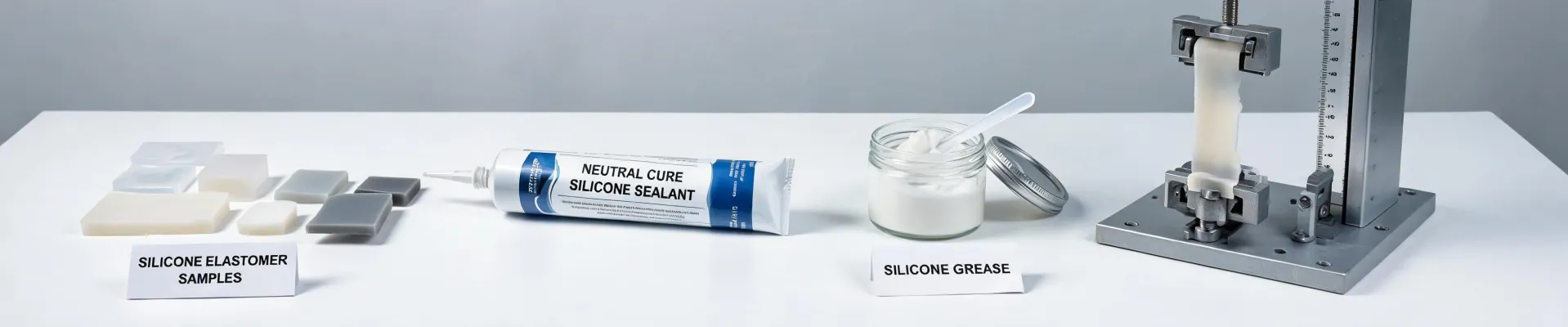
- Mold making silicone, usually a two-part RTV elastomer, cures into a flexible solid.
- Dow Corning silicone oil is a liquid. It does not cure into a rubber.
- Molykote Dow Corning silicone dispersions form a thin release or lubrication film after solvent evaporates.
- Emulsions and coatings are a separate category again.
That sounds obvious, but I have received quotes where these were mixed up. If an RFQ says only 'silicone,' stop and ask which family. Silicone oil feels like it should be slippery. RTV silicone rubber is usually specified when you want a molded gasket or a soft touch part. A Molykote Dow Corning silicone dispersion is usually specified when you want a controlled low-friction film on a surface. Those are not interchangeable.
2. Verify the cure system before you trust the hardness number
Silicone mold making rubbers come in different cure chemistries. The most common systems are addition-cure and condensation-cure. Addition-cure products are convenient, but they can be poisoned by sulfur, latex, certain mold-release residues, and even some clay and epoxy systems.
I made a classic mistake on an order where we poured a platinum-cure silicone mold over a master that had been made using sulfur-cured rubber. The surface looked clean. After 72 hours, the silicone still had a sticky liquid layer. The problem was not the hardness. It was not the silicone brand. It was a compatibility check that I skipped.
Write down everything the uncured liquid will touch: the master, the mold frame, the gloves, the release agent, even the nearby spray lubricants. If the product data sheet says 'clean the surface before curing,' treat that as a process requirement, not a suggestion.
3. Talk about durometer after you solve cure compatibility
Durometer is the number people cling to first. Shore A 20 is soft, Shore A 60 is much harder. But durometer data is only valid if the silicone cured under the right conditions.
We once chose a 20A silicone for a custom part because the customer liked how it felt in hand. The material datasheet looked good. But our production post-cure was shorter than the datasheet's recommendation, and the part had terrible tear strength. The issue was not the durometer call. It was the cure schedule.
Specify the hardness, the tolerance, the catalyst or cure system, and the post-cure condition before ordering.
4. Separate 'feels smooth' from 'has low coefficient of friction'
A surprising number of searches land on coefficient of friction polypropylene vs silicone. That question does not have a simple answer because silicone can be formulated to grip or to slide. But the default assumption should not be that silicone is slippery.
When someone asks why their silicone part sticks to a surface, the answer is often simply because it is silicone. Soft silicone has high contact resistance and a large grip area. It is used for non-slip mats and sealing surfaces for exactly that reason. Polypropylene is generally a better choice if you need a naturally low friction sliding surface in a room-temperature part.
If you need silicone for heat resistance or flexibility and still need low friction, you need a surface solution. A dry-film lubricant system like Molykote Dow Corning silicone dispersions can be applied to the part after molding. Plan that as a separate process step.
Do not assume that a silicone part will have a lower coefficient of friction than polypropylene just because silicone feels smooth.
5. Write the mold-release plan before the sample order
Silicone sticks to silicone. That is useful in applications where you need a leak-proof seal, but it is a big problem in mold making. Every mold needs a release strategy.
I get customers who say, 'Just spray some silicone oil on the mold.' That might work if the part life is short and nothing will ever be printed, painted, or bonded on the surface. But leftover silicone oil can migrate onto the cured part. It can ruin pad printing, adhesive bonding, and coating adhesion.
We found this on a custom silicone bong body that needed a printed logo. The silicone itself was fine. The release agent was the problem. Wiping the mold with plain silicone oil left a film that prevented the ink from sticking. We changed to a controlled Molykote Dow Corning silicone dispersion as the release layer and added a cleaning step before printing. After that, the logo survived.
Write down the release agent, the application method, and the cleaning procedure before you commit to a production quantity.
6. Check what claim you actually need to support
Every material supplier sees orders where customers assume the raw material itself proves food safety, medical approval, or regulatory compliance. Those claims are never automatic with the raw product. The completed part, the cure process, the mold release, the color pigment, and the intended use all matter.
If you market a finished silicone product as 'food-safe' or 'medical-grade,' you need evidence for that finished product claim. Per FTC guidelines, marketing claims must be truthful and substantiated. A material datasheet alone is not sufficient to prove what the final part will do after processing. If you are sourcing Dow Corning materials for a regulated application, ask for the product-specific regulatory documentation and read it carefully.
7. Test the production process, not just the material
A hand-poured sample made in a clean lab can look perfect. But production parts are not made in a lab. They are made with production mold release, production mixing equipment, production cure times, and production operators.
After the third rejection in Q1 2024, I added a rule to our team: the first production run is approved only if it is made from the actual production process, including mold prep.
Make a small 5- to 10-piece sample batch before starting the full quantity. This catches process problems before they become expensive. A one-off sample part with extra curing time and no release agent does not count.
8. The final 20-second check before releasing the order
Here is the simplified checklist I now run before every silicone order, including repeat orders:
- Silicone family: rubber, oil, dispersion, or coating is clearly named.
- Cure compatibility has been checked against the master and surrounding materials.
- Hardness has a tolerance and the cure/post-cure process is specified.
- Friction or slip requirements are written as a measurable requirement.
- Mold release and surface cleaning steps are defined.
- Regulatory or food-contact claims are supported by finished-part evidence.
- A small production sample run is included in the order milestone.
Silicone mold making is not complicated once you respect the details. The mistakes happen when someone treats silicone as a single generic material and assumes the product sheet will cover every production variable. Since I made that pre-flight check routine, I have caught six orders that would have gone wrong in the last twelve months. That doesn't sound dramatic unless you know what six order corrections are worth.
Check the process before you spend the money. It is a lot cheaper than checking it after.