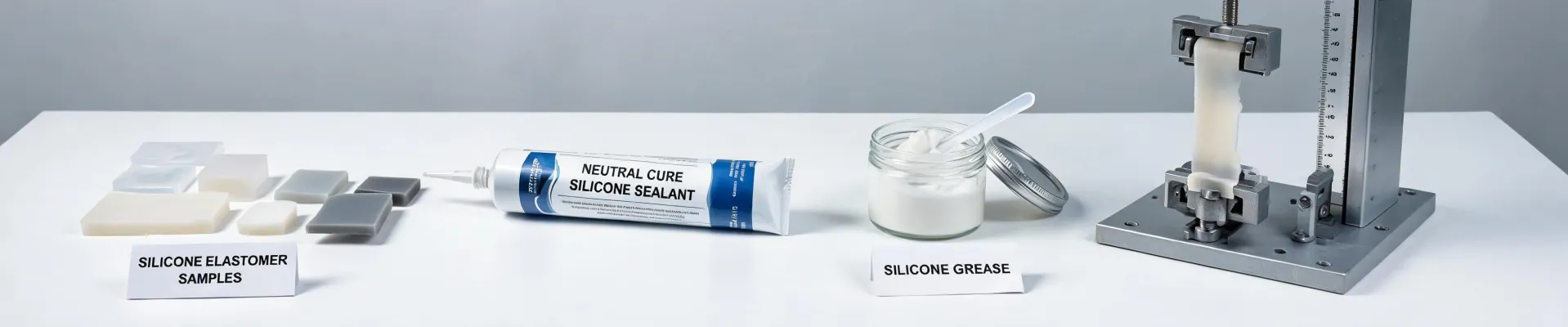
Last March, our maintenance lead walked into my office holding a tube of sealant that had gone hard in the nozzle. "This is the third one this month," he said. "Can we just order the good stuff?"
That question turned into a six-month project. It also changed the way I think about Dow Corning silicone — not as a premium line item, but as a way to reduce total cost.
I'm the procurement manager at a mid-sized manufacturer. I've managed our maintenance supplies budget — about $180,000 a year — for the past six years. We order sealants, lubricants, o-ring cord, gaskets, and the occasional oddball item that keeps a production line moving. I've negotiated with more vendors than I can count, and every order is documented in our cost tracking system.
Here's the thing: I used to think silicone was silicone. In my first year, I made the classic rookie mistake of choosing sealant by price per tube. I learned that lesson the hard way when the "cheap" option resulted in a $1,200 redo. That's not a fake number; it was a real work order.
The Sealant That Started It
The maintenance team used silicone sealant to seal control cabinets, light fixtures, and equipment covers. The problem wasn't the application. It was the cure time. The cheap brand we were buying took forever to skin over. If anyone touched the bead after installation, it shifted. Dust stuck to it. Then someone reopened the panel and redid the seal.
I don't have hard data on how many tubes we wasted before the switch, but based on six years of purchase orders, my sense is we were throwing away at least 10-12% of the cheap stuff. I wish I had tracked it better. What I can say anecdotally is that the maintenance crew started keeping a separate stash of "the good stuff" for the jobs that mattered.
When I finally compared vendors, I thought I'd found an easy win. Vendor A quoted $84 per case of twelve cartridges. Vendor B quoted $66. I almost wrote the PO to Vendor B until I calculated the real cost. Each failed sealant job took a technician about 20 minutes to redo. At $40/hour fully loaded, three reworks a week erased the price difference. The "cheaper" option was about to cost us more in labor alone.
So we tested a different approach. We switched one assembly station to Dow Corning silicone — the Dow 732 clear version, item 99179 in our inventory system. It's a one-part, neutral-cure sealant that cures on exposure to moisture, and according to the technical data sheet, it's designed for general-purpose sealing. It cost more per cartridge. But it cured faster, held its shape better, and the crew stopped avoiding the sealant cart.
Not a huge story. Not a dramatic one. But it was the first time I saw a premium product win on total cost rather than unit price.
The Silicone Oil Connection
Once we cleaned up the sealant problem, I started looking at other things the maintenance team was quietly buying generic versions of. One was silicone oil.
We use o-ring cord to make custom gaskets. It's not always practical to wait for a factory-made o-ring when a machine is down. So we keep a few diameters of silicone o-ring cord in stock and splice it to length. The gaskets need a little lubrication during assembly, and for a while we were using a general-purpose grease. Then we noticed the cord was swelling in some applications. It wasn't the cord; it was the grease.
We switched to Dow Corning silicone oil — the product I know as 200 Fluid. On paper, it looked expensive for a quart. In practice, a little goes a long way, and it's compatible with the silicone cord. That swap didn't create a dramatic pile of savings, but it cut down the number of gaskets we scrapped. That's the kind of line item that never shows up in a vendor quote but shows up in the monthly usage report.
Around that same time, a customer who makes silicone cookie molds asked me whether the silicone dust and offcuts from their trimming process are recyclable. I had to be honest: I didn't have a confident answer.
Wait, Is Silicone Recyclable?
The short answer is: sometimes, through specialized programs, but not in your curbside bin.
Look, I'm not trying to bash silicone. It's a great material. But recycling is a different story. Basically, silicone rubber is a thermoset material. It doesn't melt and reform the way a thermoplastic like HDPE does. That makes mechanical recycling harder. There are industrial recyclers that take post-industrial silicone scrap and grind it down for use as filler or in lower-grade applications. Some manufacturers run closed-loop take-back programs for their own production waste. But the blue-bin single-stream recycling system isn't set up for it.
I don't have hard data on how much silicone actually ends up being recycled. Based on conversations with suppliers, my sense is that most silicone waste from production still goes to landfill. That's not a criticism of the material; it's a statement about infrastructure. The most environmentally efficient thing we can do is extend the service life of silicone parts — buy good material, install it carefully, and repair when possible.
O-Ring Cord, Efficiency, and the TCO Habit
All of this taught me a lesson that has nothing to do with chemistry: efficiency is a competitive advantage, and it starts with the purchasing decisions nobody writes press releases about.
Since the sealant switch, we've built a simple cost calculator for maintenance supplies. Our procurement policy now requires three quotes minimum for any repeat purchase over $500. We also moved our sealant orders from manual weekly ordering to an automated reorder point. That cut our turnaround on refills from five days to two.
The numbers aren't dramatic by corporate standards, but they're real. We saved about $8,400 a year on rework and scrapped materials. Emergency orders dropped by about 17%. That's from our purchasing system, not a guess.
The "cheap" option isn't always wrong. And Dow Corning isn't always the right answer. But for the critical applications — the ones where failure costs labor, downtime, or a customer relationship — I now specify Dow Corning 732 almost by default. It's not because I've drunk the brand Kool-Aid. It's because the cost per successful outcome is lower.
The Bottom Line
If you're comparing silicone products, compare more than the sticker price. Ask what happens when the cheap product fails. Then add up your rework, your scrap, and your crew's frustration.
The lowest quoted price often isn't the lowest total cost. That sentence sounds obvious. But in a procurement spreadsheet, it's easy to lose sight of. The Dow Corning 732 tubes on our shelf are a reminder that a good purchasing decision can save a thousand small decisions later.
As for the silicone cookie mold customer? We pointed them to industrial recyclers and encouraged them to set up a few larger-batch collection points instead of treating every day's scrap separately. It's not perfect, but it's better than nothing. Sometimes that's the honest answer.