Last spring, I stood in our assembly cell watching a brand-new crimper run its first batch of hydraulic rubber hose assemblies. It was clean. The operator was proud. The digital readout said every crimp was within spec. I should have been relieved. Instead, I kept staring at a can of polyurethane foam cleaner sitting three feet away from the cut-off saw (ugh). That can ended up costing us $22,000.
How We Got Here
Quick context. I'm a quality/compliance manager at an industrial equipment company. We make hydraulic rubber hose assemblies for construction and agricultural equipment. I've been in this role for about four years, and I review every assembly line's output before it ships. I'm the person who signs the conformance report when a batch is released.
In Q1 2024, we decided to bring hose assembly in-house. We had been outsourcing to a distributor, but lead times were getting painful. So we bought what we believed was the best hydraulic hose crimper machine for our volume. It was a horizontal crimper with a 24-pin die cage, digital calibration, and full traceability. We chose it based on price, maintenance support, and the fact that it could handle up to 2-inch hydraulic rubber hose without breaking a sweat.
At first, everything looked great. We ran a 300-assembly pilot batch. We pressure-tested every single assembly to 150% of rated pressure, and all 300 passed. We shipped them with a clear conscience. Then, one week later, a customer called. One of our hoses was leaking at the fitting. Not a dramatic burst—just a steady drip on a compact excavator. Within two days, two more customers reported the same issue.
The First Mistake: Blaming the Crimper
I did the thing I always tell my team not to do: I blamed the machine. I figured the crimper had drifted. I pulled the failed assemblies, measured the crimp diameter, checked the die set, and even called the vendor. The vendor said, 'Send us photos.' The photos showed perfectly shaped crimps. The machine was fine. We had spent a lot of money on the best hydraulic hose crimper machine we could find, and it was working exactly as it should.
So we cut the failed assemblies apart. That's when we found contamination inside the hose bore. It was a thin, sticky residue, with a few small crumbs that looked like dried foam. The rubber wasn't cracked, and the wires weren't exposed. But the residue gave the fitting enough slip to lose grip after a few hours of service.
Here's where I have to admit something: I'm still not sure exactly how that foam cleaner got onto the work stop. My best guess is that our packaging team used spray polyurethane foam to fill a crate, then used polyurethane foam cleaner on a metal fixture. That fixture was also used as a work stop on the hose cutting bench (this was back in March 2024). Some of the solvent stayed on the stop. The operator laid a cut hose end on the same stop, and the solvent left a soft, tacky spot on the hose cover. The foam crumbs were basically dust that stuck to that tacky area.
The exact route doesn't matter as much as the lesson: we had a clean crimper and a dirty process. Five minutes of checking the work stop before the first cut could have saved us five days of rework.
Fixing the Process, Not the Equipment
After the failure, we redesigned the work cell. The changes were straightforward:
- No non-approved solvents in the hose assembly area. That meant removing the polyurethane foam cleaner, plus any degreasers without an 'approved for hydraulic hose' spec. (The foam cleaner is fine for its intended job—just not for hydraulic hose cutting.)
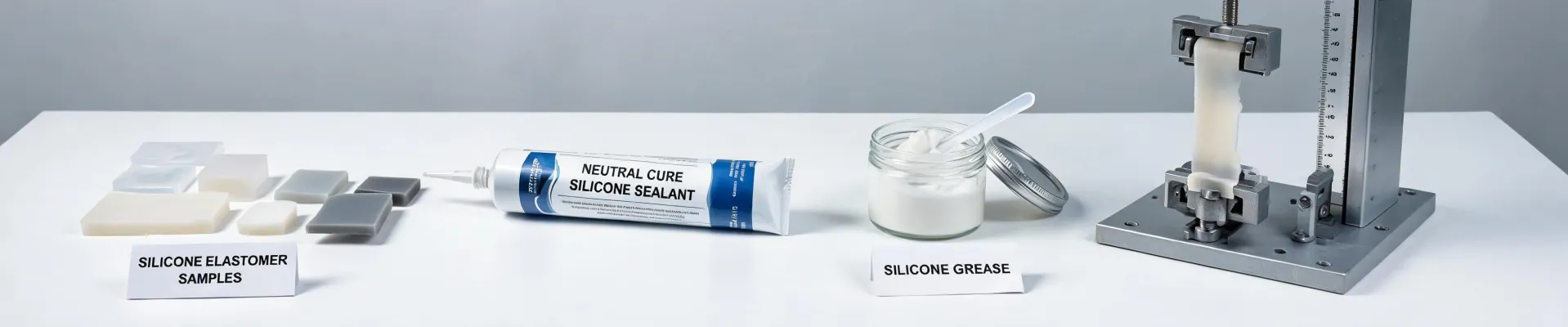
- We sealed the wall penetrations and the gap where an old conveyor came through. That gap was letting air from the rubber grinding area flow into the cell. We used Dow Corning silicone 791, a low-modulus building sealant, to close it.
- We created a 12-point inspection checklist that starts before the first cut and doesn't end until the pressure test sticker is on the assembly.
I want to talk about the Dow Corning part for a second, because someone reading this might wonder why a sealant matters in a hydraulic hose story. In our small assembly room, vapor and dust migration is a real contamination risk. Dow Corning products were already approved in some of our other equipment applications, and their technical datasheets are detailed enough for me to feel comfortable specifying them. With Dow Corning silicone 791, I had documented cure time, movement capability, and low volatile-content data. That may sound like a minor thing, but in a quality system, you need more than 'it worked last time.' You need a paper trail. That's also why I've started standardizing on Dow Corning products when I need a silicone sealant or an elastomer: not just because they work, but because the documentation is consistent.
Third, we set up the checklist. Some of the items seem obvious, but they are the kind of things that get skipped when a production line is busy:
- Verify the hydraulic rubber hose part number on the work order matches the hose spool.
- Inspect the inner bore of the first and last assembly for residue, dirt, or moisture.
- Wipe down the cutting table and work stop with the approved cleaner before the first cut.
- Confirm the crimper die set matches the fitting manufacturer's spec.
- Record the crimp ID for the first and last assembly of every run.
- Pressure-test to the specified test pressure and date-stamp the assembly.
For hose assemblies, SAE J1273 is the common reference for handling and installation, and its whole point is controlling contamination. We had read that standard before, but we didn't apply it to our own workbench. Now it's the centerpiece of our process.
What It Cost Us
The $22,000 breakdown was roughly half customer credit and half internal labor, freight, and overtime. It also cost us trust with a customer who had never questioned us before. We got lucky: only three failures showed up before we pulled the batch. If the hoses had gone into more machines, the number would have been scarier.
Since the fix, we've run about 12,000 hydraulic rubber hose assemblies with zero field leaks. The checklist is now part of our standard operating procedure. It takes about seven minutes per run, and I consider it the cheapest insurance available. This was accurate as of our January 2025 audit. Machine models and standards evolve, so verify current specs before you invest.
Bottom Line
It took four years and one very expensive batch for me to understand that the best hydraulic hose crimper machine is only as good as the process around it. A crimper can't fix a contaminated hose. It can't detect a film of solvent or a foam crumb on a work stop. It just squeezes the fitting onto the hose and hopes you did your job.
That doesn't mean the machine doesn't matter. It does. I still believe we bought one of the best hydraulic hose crimper machines in our class. But if I could go back, I would have spent just as much time designing the work cell as I did evaluating crimper specs. Prevention over cure, as simple as that.
And one more thing: before you buy any production equipment, ask your team what's touching the product on the way to the machine. If any of those touchpoints involve an unapproved solvent, a dirty fixture, or an open gap to a dusty room, fix that first. It will save you much more than another feature upgrade.